Postpartum Belly Binding Benefits, Safety, and Science Explained
Postpartum Belly Binding:
What Science Says, What Tradition Teaches, and How to Use It Safely
Postpartum Belly Binding Is Not a Trend
Postpartum belly binding has been used for generations across cultures. Today, it is gaining attention again, but this is not new.
At its core, belly binding is about support.
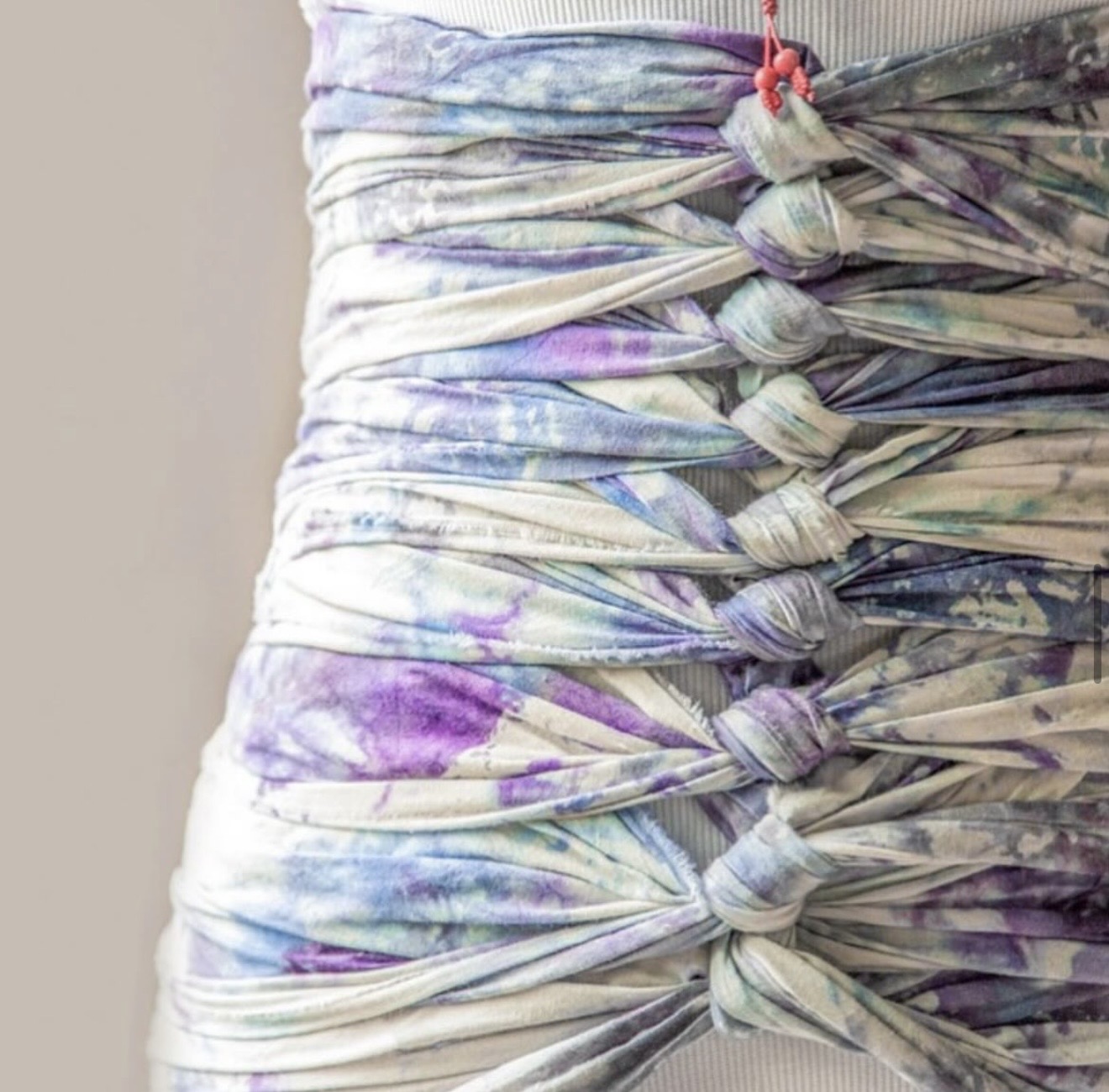
It involves wrapping the abdomen with a long cloth like a bengkung belly binding, or wearing a structured postpartum belly wrap or medical abdominal binder. Many mothers describe the feeling as being “held together” during early recovery.
Modern research now supports some of what families have known for years.
This guide breaks down what it does, what science confirms, and how to use it safely.
1. What Belly Binding Can Actually Do
Core and Back Support
During pregnancy, your abdominal muscles stretch and your posture shifts forward. After birth, your body is adjusting again while you are feeding, holding, and caring for your baby.
A belly wrap provides external support. This can reduce strain on your lower back and improve comfort when walking, standing, or sitting.
Important point: this is support, not muscle repair. It helps you move while your body heals.
Pain Relief After Cesarean Birth
This is where the strongest evidence exists.
Clinical studies show that abdominal binders after a C-section can:
Reduce pain levels
Improve mobility
Lower emotional distress
Not increase postpartum bleeding
This works because the binder reduces tension on the incision during movement.
For many women, this makes early recovery more manageable.A Feeling of Stability
After birth, many women feel unstable in their core. Movements like rolling in bed or climbing stairs can feel unfamiliar.
Binding can give temporary stability while your muscles and connective tissue recover.
Emotional and Nervous System Support
Postpartum recovery is not only physical.
Across cultures, wrapping practices are part of care rituals. They signal protection, rest, and support.
That feeling of being held can help reduce anxiety and increase confidence during the early weeks.
2. What the Science Says and What It Does Not
Strong Evidence: Post-Cesarean Support
Research consistently supports abdominal binder use after C-section for short-term recovery. This includes improved comfort and mobility in the early days after birth.
Diastasis Recti
Diastasis recti is common after pregnancy.
Some studies show improvement in muscle separation when binding is used. However:
Results are mixed
Many studies combine binding with exercise
Natural healing occurs in many women within 6 to 12 weeks
Key takeaway: Belly binding may help you feel supported, but it is not a guaranteed fix. Pelvic floor therapy and guided core rehabilitation remain the most effective approach.
Safety Matters
Gentle compression is generally safe, but it is not for everyone.
Speak with your provider if you have:
Breathing issues
Severe reflux
Blood clot risk
Hernia
Complicated surgical recovery
A simple rule: if you cannot take a deep breath, it is too tight. This should feel like support, not restriction.
3. The Global Roots of Belly Binding
Malaysia: Bengkung Belly Binding
In Malaysia, bengkung binding is part of a structured postpartum recovery period. It focuses on restoring the body, supporting the abdomen, and allowing rest and healing.
México: La Cuarentena
In many Latin American cultures, the first 40 days after birth are treated as a protected recovery time. Some families use a faja as part of this process. The focus is healing, not appearance.
Indonesia and Other Traditions
Across many cultures, the same themes appear:
Rest
Warmth
Protection
Community support
Belly binding is one piece of a larger recovery system.
4. How to Use Belly Binding Safely
When to Start
Vaginal birth: after the first few days when comfortable
Cesarean birth: follow medical guidance
How Tight Should It Be
You should be able to:
Breathe deeply
Eat comfortably
Move without pressure
If you feel pain, dizziness, or pelvic heaviness, loosen it.
How Long to Wear It
Start with 1 to 3 hours at a time. Increase gradually based on comfort. Always check your skin for any irritation.
Pair It With Real Recovery
Belly binding works best when combined with:
Rest
Hydration
Nutrient-dense food
Gentle movement
Pelvic floor and core support
It is a tool, not the solution.
5. The Biggest Misconception
Belly binding is not for weight loss.
It may temporarily change how your body looks, but it does not heal tissue or reduce fat.
Your body deserves recovery, not pressure to “bounce back.”
6. When It May Help Most
Early postpartum weeks
After C-section
During feeding sessions
When your core feels unstable
Why This Matters
Postpartum recovery is often rushed or overlooked. Evidence shows that proper support, both physical and emotional, improves outcomes. Belly binding can be part of that support when used correctly.
Interested in Belly Binding? Book a discovery call below.
Birth You Desire doulas have supported thousands of families through pregnancy, birth, and postpartum.
Have Questions About Your Birth Journey? Talk With A Doula.
The Birth You Desire team supports families in Phoenix, Washington DC, and virtually through pregnancy, birth, and postpartum. During a discovery call, we’ll talk about your goals and answer any questions you may have.