How to Support Someone Through Infant Loss | What to Say and Do
Supporting a Friend or Family Through Pregnancy and Infant Loss
What to Say, What to Do, Why it Matters
Loss Changes Everything
There is nothing like the loss of a baby to remind us how fragile life is. For families, the grief is overwhelming. For friends and loved ones, it can feel just as overwhelming in a different way.
You may wonder:
What do I say?
What if I say the wrong thing?
Should I give space or step in?
Here is the truth: Your presence matters more than perfection.
Even when it feels awkward, your time, care, and willingness to show up can make a lasting difference.
October Matters: Infant Loss Awareness
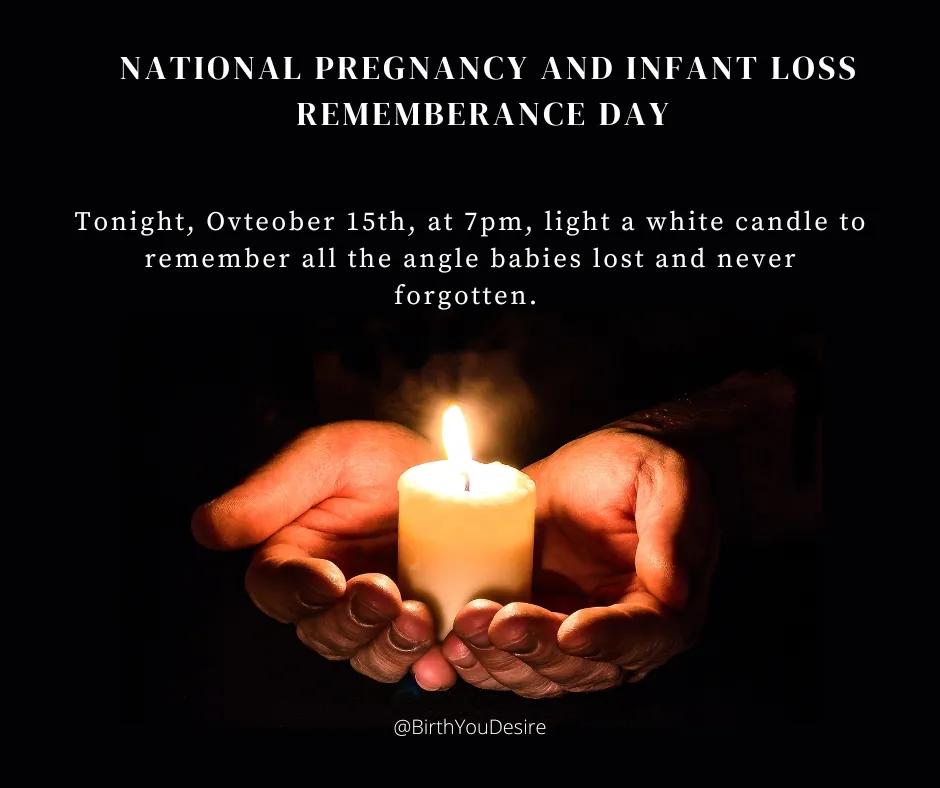
October is Pregnancy and Infant Loss Awareness Month. Specifically, October 15th is recognized worldwide as Pregnancy and Infant Loss Remembrance Day.
At 7:00 PM local time, families across the world light candles in what is called the Wave of Light, creating a continuous chain of remembrance across time zones.
This matters because:
Loss is often invisible
Many families grieve in silence
Acknowledgment helps healing
If you know someone who has experienced loss, simply remembering this date and reaching out can mean everything.
What Grief Really Looks Like
Grief after pregnancy or infant loss is complex. It is not just emotional. It is also physical and deeply personal.
After a loss, a parent may experience:
A body that still feels pregnant, then suddenly not
Bleeding and cramping after delivery
Lactation without a baby to feed
Sleep disruption or exhaustion
Appetite changes
Emotionally, grief may include:
Shock and denial
Anger or guilt
Deep sadness
Moments of acceptance followed by waves of grief
These stages do not happen in order. They come and go. And they take time. Usually, more time than anyone thought it would.
How to Support a Family Through Loss
You do not need the perfect words. You need to show up. Here is how to do that in a way that truly helps.
1. Do Not Stay Silent.
Simple words and actions are powerful.
“I am so sorry.”
“I do not know what to say, but I care.”
Avoid phrases like:
“Everything happens for a reason.”
“You can try again.”
“At least…”
These can feel dismissive to the parents who experienced the loss.
2. Be Present Without Expectations
Sit with them.
Listen.
Do not try to fix it.
Your presence alone is often the greatest support.
3. Listen Without Judgment
Grief comes in waves.
Some days they may want to talk.
Other days, they may not.
Let them lead.
Your role is to: Witness, not solve.
4. Offer Real, Practical Help
Do not assume others are helping.
Many people want to help but do nothing.
Be the one who does.
Offer:
Meals or grocery runs
Laundry help
Childcare for other children
Errands
Even small actions reduce overwhelm.
5. Support Both Parents
Grief is not limited to the birthing parent.
Partners often feel pressure to stay strong.
But they are grieving too.
Check in with them.
They need support as well.
6. Remember the Dates That Matter
Support often fades after a few weeks.
Grief does not.
Mark your calendar for:
Due date
Loss date
6 months
1 year
On those dates, consider sending a message, dropping off a meal, or remembering their baby. This is where your support becomes unforgettable.
Preparing for birth and feeling unsure about your options? The Birth You Desire doulas support families in Phoenix, Washington DC, and virtually.
The Grieving Body Deserves Care Too
After a loss, the body still goes through postpartum recovery.
That means healing is needed on multiple levels:
Physical
Emotional
Mental
This is why compassionate, informed support matters so much.
Parents are not just grieving a baby.
They are grieving:
Their identity
Their future
The life they imagined
What Most People Get Wrong
People try to fix grief. You cannot fix it. You can only:
Respect it
Hold space for it
Walk alongside it
That is what healing support looks like.
Where Professional Support Makes a Difference
Loss is not something families should navigate alone.
A full-spectrum doula is trained to help by:
Providing emotional support without judgment
Helping families process their experience
Supporting physical recovery after loss
Creating space for grief and healing
This kind of care changes outcomes.
The Bottom Line
If someone you love has experienced loss:
Do not disappear.
Do not wait for the right words.
Just show up.
Because: Your presence is the support.
If you or someone you love is navigating pregnancy or infant loss: Schedule a free discovery call to talk through what you need. You do not have to carry this alone.
Birth You Desire doulas have supported thousands of families through pregnancy, birth, and postpartum.
Have Questions About Your Birth Journey? Talk With A Doula.
The Birth You Desire team supports families in Phoenix, Washington DC, and virtually through pregnancy, birth, and postpartum. During a discovery call, we’ll talk about your goals and answer any questions you may have.